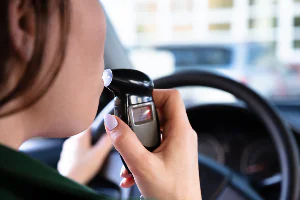
Ignition interlock devices are designed to stop drunk driving, but the way Pennsylvania and other states require drivers to use them can create a different kind of danger. Yes, ignition interlock devices can cause car accidents. The devices themselves do not malfunction in a way that steers a car off the road, but the rolling retests they require while a vehicle is in motion pull a driver’s hands, eyes, and attention away from the task of driving. That distraction has been tied to real crashes, some of them fatal, even as the same devices continue to reduce repeat drunk driving offenses.
For drivers who rely on these devices to keep their licenses, and for everyone else who shares the road with them, understanding this trade-off matters. At Rubin, Glickman, Steinberg & Gifford P.C., our Pennsylvania car accident attorneys have spent decades helping injury victims sort out how a crash happened and who may be responsible for it. Below, we break down how ignition interlock devices work, why rolling retests create a distraction risk, what the research says about the trade-off between drunk driving prevention and distracted driving, and what to do if a distracted driver, whether or not an interlock device was involved, has caused you harm.
How Do Ignition Interlock Devices Work in Pennsylvania?
An ignition interlock device (IID) is a small in-car breathalyzer wired into a vehicle’s ignition system. Before the engine will start, the driver has to blow into the device to confirm a blood alcohol concentration under a preset limit, typically 0.02 percent. Pennsylvania law requires many DUI offenders, including a number of first-time offenders, to install an IID as a condition of driving after a conviction or during a period of restricted licensure. For a closer look at when Pennsylvania courts order this equipment and who may qualify for a restricted license instead of a full suspension, see our related guide.
Once the vehicle is running, most state programs also require periodic “rolling retests” to confirm the driver has not been drinking since starting the trip. A beep signals that a new breath sample is due, and the driver has a short window, often just a few minutes, to comply. If the driver misses that window or the sample shows alcohol, the vehicle does not shut off, but the horn honks and the headlights flash until the driver responds. To reset the device and shut off the alert, the driver must:
- Stop their vehicle
- Wait for the lockout period to pass
- Retest their breath for alcohol
Programs vary by state in how often rolling retests occur and how much time drivers get to respond, so it is worth reviewing your program’s specific terms if you are subject to one. For a broader look at how these devices are used and why courts order them, our companion article walks through the basics.
What Is a Rolling Retest and Why Is It Dangerous?
The rolling retest is where the safety trade-off becomes clear. The National Highway Traffic Safety Administration (NHTSA) has urged drivers to pull off the road to a secure location before completing a retest, since taking a hand off the wheel and eyes off the road to locate and use the device mirrors the same behaviors that make texting while driving so dangerous. Interlock manufacturers see it differently. LifeSafer Ignition Interlock, one of the largest providers, states that drivers typically have between three and five minutes between the alert and the deadline to test, adding that there is no need to look at the device while testing.
That reassurance is part of the problem. Because drivers do not need to look at the handset, many feel confident testing while the vehicle is still moving rather than pulling over first. An investigation by the New York Times uncovered dozens of accident reports and lawsuits tied to rolling retests performed while driving, and reported that the number of installed IIDs nationwide grew from roughly 133,000 to 350,000 over the decade the investigation covered. Federal regulators have also declined to require that retests only take place while a vehicle is stopped, leaving that decision to individual states and, in effect, to the drivers themselves in the moment. State rules differ on exactly how often a retest is required and how much lead time a driver receives, but the underlying distraction risk, a driver’s hands and attention diverted from the road for even a few seconds, remains consistent across programs.
Can Ignition Interlock Devices Trigger False Positive Readings?
Distraction is not the only complication drivers face. Ignition interlock devices measure alcohol on the breath using sensor technology that is generally less sophisticated than the equipment police use at a traffic stop, and that technology can occasionally register a false positive from substances that have nothing to do with drinking. Mouthwash, breath sprays, and certain cough syrups can contain enough alcohol to trigger a failed test shortly after use. Some manufacturers also warn that strongly flavored foods and drinks, including items made with vinegar or a splash of wine in the recipe, have been reported to cause elevated readings in certain devices.
A false positive does more than cause an inconvenient delay. A driver who has not actually been drinking may become flustered, rush to repeat the test, or try to explain the reading while still operating the vehicle, adding another layer of distraction on top of the retest itself. Anyone who believes a false positive played a role in a crash, whether their own or another driver’s, should raise it early with their attorney, since program logs and device data can sometimes help establish what actually happened in the moments before impact.
How Ignition Interlock Distraction Has Led to Documented Accidents
The distraction risk described above is not theoretical. The New York Times investigation referenced above documented a pattern across multiple states: drivers rear-ending stopped vehicles, drifting out of their lane, or losing control while reaching for a beeping device, in some cases with fatal results. Other outlets that reviewed the same underlying crash data reported similar incidents, including collisions where a driver told investigators they had just completed, or were in the middle of, a rolling retest at the moment of impact.
These reports share a common thread. The driver was not intoxicated at the time of the crash and the device had confirmed sobriety, but the act of complying with the retest itself created the hazard. That distinction can matter for anyone injured in this type of crash, because it shifts the legal question away from whether the other driver was drunk and toward whether the other driver was operating the vehicle safely while distracted, a standard of ordinary negligence that applies regardless of what caused the distraction.
Despite the documented risk, the number of installed ignition interlock devices on U.S. roads continues to grow as more states expand mandatory IID laws to cover a wider range of DUI offenses.
Weighing the Safety Benefits Against the Distraction Risk
None of this means ignition interlock devices are not effective. A 2016 University of Pennsylvania analysis found that states requiring interlocks for all convicted drunk drivers saw 15 percent fewer alcohol-involved crash deaths than states with less stringent requirements. Groups including Mothers Against Drunk Driving and the interlock industry point to figures like this as evidence that the devices save lives even when accounting for the distraction risk created by rolling retests.
More recent research backs up that core finding. A review of interlock studies summarized by the Centers for Disease Control and Prevention found strong evidence that alcohol ignition interlocks reduce repeat drunk driving arrests while the devices remain installed in a driver’s vehicle, although that protective effect tends to fade once the interlock is removed unless the driver also receives treatment for alcohol use. The same review found that alcohol-related crashes tend to decrease while an interlock is active, even though the available research on that specific point remains more limited than the data on repeat offenses.
The tension is real. Rolling retests appear to reduce one danger, drunk driving, while introducing another, distracted driving. Regulators, manufacturers, and safety advocates continue to disagree about how much weight each risk should carry. For someone hurt in a crash caused by either kind of impairment, that policy debate matters less than the practical question of how to pursue recovery.
Who May Be Liable When an Ignition Interlock Device Causes a Crash?
Liability in these cases generally follows the same negligence framework that applies to any distracted driving accident. A driver who takes a hand off the wheel and eyes off the road to complete a rolling retest, rather than pulling over first as manufacturers and the NHTSA both recommend, may be found to have breached the basic duty every driver owes to others on the road. The fact that the retest was legally required does not automatically excuse a driver from that duty, since drivers generally retain the ability to slow down, signal, and move toward the shoulder before responding to the alert.
Pennsylvania follows a modified comparative negligence rule, which allows an injured driver to recover compensation as long as they are not found more than 50 percent at fault for the crash. That rule can matter in an IID-related case if the at-fault driver argues that a false positive, a malfunctioning device, or confusing instructions from the manufacturer contributed to the distraction. Depending on the facts, an injured driver’s attorney may also examine whether the device manufacturer bears any share of responsibility for how the retest was designed or explained to users.
Pennsylvania law also limits how long an injured driver has to bring a claim. In most cases, you have two years from the date of the crash to file suit, a deadline our Pennsylvania car accident attorneys walk through in more detail, along with the types of evidence that tend to matter most in a distraction-related case.
What Compensation May Be Available After a Distraction-Related Crash
A successful claim after a distraction-related crash, whether the distraction came from an ignition interlock retest or something else, can potentially cover both economic and non-economic losses. Economic damages typically include medical bills and anticipated future treatment, lost wages, reduced future earning capacity, and property damage to your vehicle. Non-economic damages may address pain and suffering, emotional distress, and the loss of enjoyment of everyday activities, particularly when injuries are severe or permanent.
The specific compensation available in any case depends heavily on the facts, including the severity of the injuries, the strength of the evidence showing distraction, and the insurance coverage in place. In cases involving particularly reckless conduct, such as a driver who ignored repeated warnings about a device malfunction, additional damages may also be available under Pennsylvania law. Our distracted driving accident attorneys review each of these factors closely, working with medical providers and economic consultants where appropriate, before presenting a demand to an insurer or preparing a case for trial.
What to Do After an Accident Involving a Distracted IID User
If you believe a distracted driver, including one who may have been mid-retest on an ignition interlock device, caused your crash, the steps you take afterward can affect both your health and your ability to recover compensation later.
Seek Medical Attention First
Some injuries, including concussions and soft tissue damage, do not show symptoms right away. Getting evaluated promptly protects your health and creates a medical record connecting your injuries to the crash.
Document the Scene and the Device
If it is safe to do so, photograph both vehicles, the road conditions, and anything else relevant to how the crash happened. If you learn the other driver has an ignition interlock device installed, note that detail for your attorney. Program logs can sometimes show whether a retest was underway at the time of impact.
Report the Crash and Notify Your Insurer
Pennsylvania requires drivers to report crashes involving injury or significant property damage, and prompt reporting also helps activate your own personal injury protection benefits regardless of who caused the collision. Our guide on documenting your accident and filing an insurance claim covers this process in more detail.
Consult a Pennsylvania Car Accident Attorney
An attorney can help determine whether the other driver’s distraction, whether from an interlock retest, a phone, or something else, amounts to negligence, and can begin preserving evidence, including device data, before it becomes harder to obtain.
Retain an Experienced Pennsylvania Car Accident Attorney Ready to Fight for Your Recovery
If you have been injured in a car accident caused by a distracted driver, whether that distraction came from an ignition interlock retest, a phone, or anything else, you do not have to sort out fault and liability alone. The injury team at Rubin, Glickman, Steinberg & Gifford P.C. has represented car accident victims throughout Montgomery County, Bucks County, and the surrounding Pennsylvania communities for decades, drawing on a combined 270 years of legal experience across our attorneys handling complex negligence and personal injury matters.
We review the available evidence, including cell phone records, device data, and witness accounts, to help determine what actually caused your crash and who may be held responsible. Our team has helped car accident victims throughout Southeastern Pennsylvania pursue the compensation their injuries may warrant, and we offer a free consultation to discuss your situation. To talk with our team about your case, complete our contact form.
Frequently Asked Questions About Ignition Interlock Device Accidents
Can I file a claim if a rolling retest on someone else’s ignition interlock device caused the crash that injured me?
In many cases, yes. If another driver’s attention was diverted by a required breath retest and that distraction contributed to your crash, you may be able to pursue a claim against that driver much like any other distracted driving case. Pennsylvania courts generally treat the failure to pull over safely before responding to a retest as a question of ordinary negligence. An attorney can review the details of your crash, including any available device data, to help determine whether you have grounds for a claim.
How long do I have to file a car accident lawsuit in Pennsylvania?
In most cases, Pennsylvania law gives you two years from the date of the crash to file a personal injury lawsuit. Wrongful death claims generally carry the same two year deadline, measured from the date of death rather than the date of the accident. Missing this deadline can permanently bar your ability to recover compensation, so it is best to speak with an attorney as soon as possible after a crash to protect your rights and preserve evidence while it is still available.
Are ignition interlock devices required for every DUI conviction in Pennsylvania?
Not automatically, but Pennsylvania law requires many DUI offenders, including a number of first time offenders with an elevated blood alcohol level, to install an ignition interlock device as a condition of driving after a conviction or during a period of restricted licensure. Requirements can vary based on prior offenses, blood alcohol level at the time of arrest, and whether the driver qualifies for certain diversionary programs. A DUI defense attorney can explain how these rules may apply to a specific case.
Does a driver’s compliance with a court-ordered ignition interlock program excuse them from liability if it causes a crash?
No. Complying with a court order to use an ignition interlock device does not excuse a driver from the basic duty to operate a vehicle safely. If a driver chooses to complete a rolling retest while still moving rather than pulling over first, and that choice contributes to a crash, the driver may still be found negligent. Pennsylvania’s comparative negligence rules allow the specific facts of each crash to be weighed when determining fault and any resulting compensation.
What should I do if I suspect a distracted driver caused my accident?
Seek medical attention first, since some injuries are not immediately obvious. If it is safe, photograph the vehicles, the road, and anything suggesting distraction, such as a phone or a visible interlock device. Report the crash to the police and your insurer promptly, and avoid discussing fault at the scene or on social media afterward. Speaking with a car accident attorney early can help preserve evidence, including cell phone or device records, before it becomes harder to obtain.
Does it cost anything to speak with a car accident attorney about my case?
Most Pennsylvania personal injury firms, including ours, offer a free initial consultation to review the facts of your crash and discuss your options. Many car accident cases are also handled on a contingency basis, meaning the firm is paid a percentage of any recovery rather than charging upfront hourly fees. This arrangement allows injured drivers to pursue a claim without added financial pressure while they are already dealing with medical bills and lost income.

Rubin, Glickman, Steinberg & Gifford P.C.
Pennsylvania Attorney's
August 7, 2026