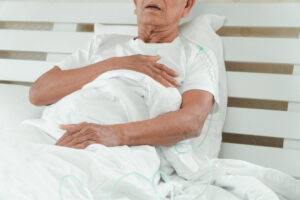
 When a loved one enters a nursing home, families trust that they will receive attentive, competent medical care, not a life-threatening illness caused by the very people responsible for their well-being. Pneumonia is one of the most serious and deadly infections that nursing home residents can develop, and in too many cases, it is not an unavoidable health event but the direct result of neglect. When staff fail to monitor residents, maintain basic hygiene, or respond promptly to early warning signs, a treatable respiratory condition can become a medical emergency.
At Rubin, Glickman, Steinberg & Gifford, P.C., we understand how devastating it is to watch a parent or grandparent suffer a serious illness that should have been prevented. Our nursing home abuse lawyers have helped families throughout Montgomery and Bucks Counties hold negligent facilities accountable, and we have been recognized by U.S. News & World Report as a Best Law Firm every year since 2010. If your family member developed pneumonia in a nursing home and you believe neglect played a role, we are here to help you understand your legal options.
How Nursing Home Neglect Leads to Pneumonia
Pneumonia is not inevitable for nursing home residents, but several forms of neglect significantly increase the risk of developing this serious infection. Understaffing, poor sanitation, and inadequate medical monitoring are among the most common contributing factors seen in neglect cases. When facilities cut corners on staffing or training, the consequences for medically fragile residents can be severe.
Failure to Maintain Proper Hygiene
Oral hygiene is one of the most frequently overlooked aspects of nursing home care, and research has shown it is directly linked to pneumonia risk. When staff fail to assist residents with brushing teeth, cleaning dentures, or maintaining oral health, bacteria accumulate and can be aspirated into the lungs. Aspiration pneumonia, a condition where foreign material enters the airway, is a well-documented consequence of neglected oral care. Residents who rely entirely on staff for daily hygiene are especially vulnerable to this type of preventable harm.
Failure to Monitor and Report Symptoms
Pneumonia often develops gradually in elderly residents, beginning with subtle signs such as a mild cough, low-grade fever, or behavioral changes. When nursing home staff fail to observe and document these early symptoms, the infection can progress to a dangerous and sometimes fatal stage before treatment is initiated.
Research published in the National Institutes of Health found that nursing home residents hospitalized for pneumonia face significantly elevated risks of severe functional decline and death. Timely identification and response to these warning signs is a core duty of care that facilities must uphold.
Inadequate Infection Control Protocols
Infectious pneumonia can spread rapidly through a nursing home when proper infection control measures are not followed. Staff who do not wash their hands between patient interactions, facilities that do not isolate residents with respiratory illnesses, and nursing homes that fail to maintain vaccination protocols all create environments where pneumonia can spread easily. Respiratory infections in nursing home settings are one of the most common and preventable sources of harm to residents in long-term care.
Recognizing Signs That Neglect May Have Contributed
Families are often the first to notice when something is wrong with a loved one’s care. If your family member developed pneumonia during their stay in a nursing home, certain circumstances may suggest that neglect was a contributing factor. The following warning signs are worth discussing with an attorney:
- Rapid deterioration: A sudden, severe progression of illness without prior documentation of symptoms or early treatment.
- Inadequate staffing: Complaints about understaffing, long wait times for assistance, or evidence that your loved one was not regularly checked on.
- Poor hygiene conditions: Observable signs that oral care, bathing, or wound care were not being performed consistently.
- Delayed medical attention: A situation where obvious signs of illness were present for days before a doctor was notified or treatment was initiated.
- Falls preceding illness: A connection between an unattended nursing home fall and aspiration or immobility that contributed to the infection.
These signs do not automatically establish legal liability, but they are meaningful indicators that the standard of care may not have been met.
What Families Can Pursue Legally
Pennsylvania law allows families to pursue civil claims against nursing homes that fail to meet the duty of care owed to their residents. Depending on the circumstances, a nursing home neglect claim related to pneumonia may overlap with a medical malpractice claim if a licensed medical professional, such as a physician or nurse, failed to diagnose or treat the infection appropriately.
In cases where a loved one passed away as a result of pneumonia caused by neglect, families may also have grounds for a wrongful death claim, which can provide compensation for funeral expenses, loss of companionship, and related damages.
Gathering evidence is a critical part of building a successful claim. Medical records, nursing home incident reports, staffing logs, and facility inspection history can all help establish a pattern of neglect. Acting promptly matters because Pennsylvania has statutes of limitations that restrict how long families have to file a claim.
Contact Rubin, Glickman, Steinberg & Gifford, P.C. Today
When a nursing home fails a loved one, families deserve answers and accountability. At Rubin, Glickman, Steinberg & Gifford, P.C., our legal team brings over 65 years of combined experience to cases involving nursing home neglect, and we are AV-Rated by Martindale-Hubbell, the highest peer review distinction available. Our attorneys are prepared to fight for the compensation your family deserves.
In personal injury cases, we work on a contingency basis, meaning there are no fees unless we recover on your behalf. To discuss your situation with a member of our team, please contact our office to schedule a free initial consultation.
Rubin, Glickman, Steinberg & Gifford P.C.
Pennsylvania Attorney's
April 29, 2026