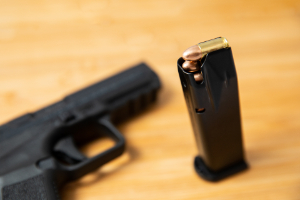
 In Pennsylvania, sentencing and penalties for drug offenses range drastically depending on the circumstances of the drug charge. Some may face no time behind bars. Others may face several years in prison. Individuals may have to pay thousands of dollars in fines and others only a few hundred dollars. Numerous factors determine the outcome of charges, including the type of drug offense, criminal record, the amount of drugs, the location of the crime, and whether there was a weapon involved. Simply being found carrying a weapon on your person in connection with a drug crime could severely heighten the penalties you may face.
Working with an experienced lawyer who understands drug and weapon possession law is the best way to ensure your rights are protected. A criminal defense attorney will know how to build a strong case to help achieve the best possible outcome for the circumstances of your case. For over 65 years, those accused of crimes in Southern Pennsylvania have trusted Rubin, Glickman, Steinberg & Gifford, P.C. with their legal defense.
How Possessing a Weapon May Affect Your Drug Charge
Under Pennsylvania law, individuals found in possession of a controlled substance with intent to deliver while also possessing a firearm may face a mandatory minimum sentence under 42 Pa.C.S. § 9712.1. This state statute applies whenever the person, or an accomplice, has a firearm that is visible, concealed on their person, within reach, or in close proximity to the drugs at the time of the offense — actual use or brandishing of the weapon is not required to trigger it, and a conviction carries a mandatory minimum of five years of total confinement in addition to the sentence for the underlying drug offense. Separately, if a case is prosecuted in federal court, 18 U.S.C. section 924(c) imposes its own escalating, consecutive mandatory minimum sentences when an individual uses or carries a weapon during a drug trafficking offense. There are three ways to prosecute individuals in possession of a weapon while committing a drug-related crime:
- Use of the weapon during the crime
- Carrying the weapon while committing the crime
- Possessing a firearm in underlying crimes
A first offense carries a mandatory five consecutive years in prison. If the gun is brandished, the mandatory minimum increases to seven years. The penalties become more severe for second and subsequent offenses. At Rubin, Glickman, Steinberg & Gifford, P.C., we know how to challenge charges you may be facing. When you work with our firm, you can trust us to defend your rights fiercely and effectively.
Possible Defenses to Charges of Possessing a Weapon While Committing a Drug Offense
Depending on the circumstances of the type of drug offense and the usage of the weapon, here are some possible defenses.
Motion to Suppress
If the police or federal agent does something illegal during the case investigation, it is possible to have the drug or weapon charges dismissed.
Challenging Possession
It is possible to challenge whether the defendant actually possessed the weapon. This means challenging the credibility of the agents or officers during cross-examination.
Challenging Drug Charges
The mandatory minimum only applies when there is a relationship between drug trafficking offenses and the weapon. Even if it can be proven the defendant possessed a weapon, it is possible to challenge the allegations that the defendant engaged in drug trafficking activity.
An attorney can help investigate your case and gather the necessary evidence to help build you a strong defense. They will know to negotiate better deals for your situation to help avoid extreme sentences.
Frequently Asked Questions
Does Pennsylvania have its own mandatory minimum for firearms during drug offenses?
Yes. Under 42 Pa.C.S. § 9712.1, a firearm that is visible, concealed, within reach, or in close proximity during a drug trafficking offense triggers a five-year mandatory minimum sentence, even without brandishing or using it.
Can I still be charged if I never touched the weapon myself?
Possibly. If an accomplice possessed the firearm during the offense, the enhancement can still apply to you under Pennsylvania’s accomplice liability principles.
What’s the difference between state and federal weapon-drug charges?
Pennsylvania’s 42 Pa.C.S. § 9712.1 requires only proximity or possession of a firearm, while federal 18 U.S.C. § 924(c) has separate, escalating mandatory minimums depending on whether the firearm was carried, brandished, or discharged.
Can a weapon enhancement be challenged in court?
Yes. Defenses may include challenging whether the police search was lawful, whether you actually possessed the weapon, or whether the underlying drug trafficking allegation can be proven.
Should I talk to an attorney if I’m facing a drug charge involving a weapon?
Yes. Given the severity of mandatory minimum sentences, an experienced criminal defense attorney can review the circumstances and identify possible defenses specific to your case.
Work with Our Southern Pennsylvania Criminal Defense Attorneys
No matter how challenging your case may be, at Rubin, Glickman, Steinberg & Gifford, P.C., we have the knowledge and skills to help handle your case. Facing criminal charges is a serious matter that requires earnest legal counsel. Our expert knowledge of the Pennsylvania legal system combined with over 65 years of criminal defense experience means we may be able to help you resolve your case successfully. Arrange to speak with one of our lawyers by calling (215) 822-7575 or filling out this form.

Rubin, Glickman, Steinberg & Gifford P.C.
Pennsylvania Attorney's
August 25, 2026