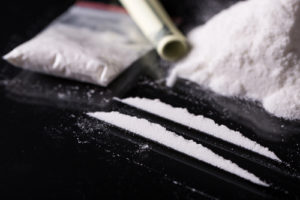
 Incredibly, the U.S. spends an average of $47 billion combating illegal drugs each year. The main way police control drugs is through federal and state laws prohibiting the possession and sale of these dangerous substances.
There are two main types of possession charges: simple possession and possession with the intent to distribute. While these charges seem similar on the surface, they carry very different penalties.
Read on to learn more about the differences between drug possession and drug dealing charges.
Understanding Your Charge: Drug Possession
Pennsylvania laws and Federal laws prohibit the possession of certain controlled substances under certain circumstances. Some drugs, like marijuana or LSD, are always illegal to possess, while other drugs, like Oxycodone, are only permitted when you have a doctor’s prescription.
These drug laws also list out several prohibited items that may be associated with the manufacturing or sale of drugs. This may include paraphernalia items or items police believe are drug related.
Defining Drug Trafficking or Dealing
When you’ve been charged with drug trafficking, you’ve likely been caught with a significant amount of the controlled substance. If you have a significant volume of drugs, then police will usually pursue distribution or trafficking charges despite whether the suspect actually intended on selling them or not.
The likelihood of being slapped with additional distribution charges depends on:
- The type of controlled substances involved
- The presence of paraphernalia like scales or plastic bags
- The presence of multiple types of drugs
- The suspect’s criminal history
- Where the suspect was arrested
- The amount of volume of the drug
- The suspect is in possession of a large amount of cash
What’s the Difference?
On the surface, possession and trafficking charges only seem to differ in terms of the volume of drugs the suspect was caught with, but these charges carry significantly different consequences.
Depending on the substance, possession charges typically carry more lenient punishments than distribution charges. If you are a first-time offender, you may be able to agree to a diversionary program, rehabilitation services, regular drug testing or community service to avoid jail time.
When you’ve been charged with distribution, on the other hand, the penalties will be more severe. Selling drugs is a felony offense.
Frequently Asked Questions
What’s the difference between simple possession and possession with intent to distribute?
Simple possession involves having a controlled substance for personal use, while possession with intent to distribute involves circumstances suggesting the drugs were meant to be sold, such as a large quantity or the presence of scales and packaging materials.
Can I still face distribution charges if I never intended to sell the drugs?
Yes. Police and prosecutors often pursue distribution or trafficking charges based on the volume of drugs found, regardless of whether the person actually intended to sell them.
What factors influence whether prosecutors add trafficking charges?
Factors include the type and volume of the substance, the presence of paraphernalia like scales or bags, the suspect’s criminal history, the location of the arrest, and whether a large amount of cash was present.
Are diversionary programs available for first-time drug possession offenders in Pennsylvania?
Often, yes. First-time offenders may be able to agree to a diversionary program, rehabilitation services, drug testing, or community service to avoid jail time, depending on the substance and circumstances.
What penalties come with a felony drug distribution conviction in Pennsylvania?
Selling drugs is a felony offense in Pennsylvania, and penalties are significantly more severe than for simple possession, often including substantial prison time and fines.
Contact an Experienced Lansdale Drug Defense Attorney About Your Drug Crime Charges in Pennsylvania
Have you been charged with a drug related offense in Pennsylvania? A drug crime conviction can carry with it heavy fines, jail time, and driver’s license suspension! That is why it is imperative that you speak with a qualified drug defense lawyer about your case. The lawyers at Rubin, Glickman, Steinberg, and Gifford represent clients charged with use, possession, production, distribution, and related drug offenses in Lansdale, Hatfield, Blue Bell, North Wales, Souderton, Telford, Newtown, Quakertown and throughout Southeastern Pennsylvania. Contact us by calling all 215.822.7575 or fill out our confidential online form to schedule a free consultation about your case. We have an office located at 2605 N. Broad St., Colmar, in addition to an office located in Newtown.
The articles on this blog are for informative purposes only and are no substitute for legal advice or an attorney-client relationship. If you are seeking legal advice, please contact our law firm directly.
Rubin, Glickman, Steinberg & Gifford P.C.
Pennsylvania Attorney's
August 18, 2026