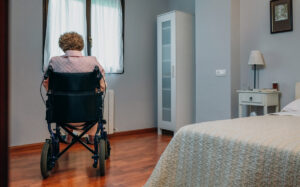
 Your loved one moved into a nursing home to receive care, connection, and comfort, so why does it feel like they are disappearing? Isolation in nursing home settings is one of the most overlooked and underreported forms of elder abuse, often hiding in plain sight behind locked doors, ignored phone calls, and canceled family visits. When a resident is routinely kept away from people who love them, prevented from socializing with other residents, or confined to their room without a legitimate medical reason, the law may recognize this as abuse.
At Rubin, Glickman, Steinberg & Gifford, P.C., we understand how devastating it is to suspect that a family member is suffering in a facility that was supposed to protect them. Our firm has over 65 years of combined experience advocating for victims and families in Montgomery and Bucks counties, and we have seen firsthand how isolation can cause serious, lasting harm. If you believe your loved one may be the victim of nursing home abuse, our team is here to help you understand your options.
What Counts as Isolation in a Nursing Home?
Not all separation from others constitutes abuse. There are legitimate, temporary reasons a nursing home may restrict a resident’s contact with others, such as during an active infection, a contagious illness, or following a medical procedure. The line between appropriate care and abuse is crossed when isolation becomes a tool of control, punishment, or neglect.
The National Council on Aging defines confinement as restraining or isolating an older adult for reasons other than legitimate medical ones and classifies it as a form of elder abuse. When facility staff uses isolation to silence a resident, prevent family members from reporting concerns, or simply avoid the burden of providing adequate care, that conduct can give rise to a legal claim.
Patterns That Signal Abusive Isolation
It can be difficult to identify isolation abuse, especially when facilities offer explanations that sound reasonable. Understanding what warning signs to look for can help families respond before serious harm occurs. Some of the most common patterns include:
- Restricted family visits: Families are told visits are not permitted, or visits are repeatedly shortened or rescheduled without explanation.
- Unexplained room confinement: A resident is kept in their room for extended periods without documented medical justification.
- Withheld communication: Phone calls from family members go unanswered, or staff intercept correspondence with the outside world.
- Social exclusion: A resident is prevented from participating in group activities or is separated from other residents without cause.
- Staff discouragement: Family members are discouraged from speaking with the resident privately or are supervised during every visit.
These behaviors, particularly when they form a consistent pattern, may indicate that a facility is deliberately cutting off your loved one from people who could identify and report abuse.
The Health Consequences of Enforced Isolation
Enforced isolation does not just affect a resident’s emotional state; it causes measurable, serious harm to physical and cognitive health. Residents who are cut off from human contact are at elevated risk of depression, anxiety, rapid cognitive decline, and in serious cases, a shortened lifespan.
Understanding what rights nursing home residents have in Pennsylvania is an important first step for any family member who suspects something is wrong. Pennsylvania law, consistent with federal nursing home regulations, guarantees residents the right to communicate with family members, receive visitors, and participate in social activities. Facilities that systematically deny these rights are not only failing their residents but may also be violating state and federal law.
Understaffing as a Contributing Factor
Isolation often does not occur in a vacuum. It is frequently a symptom of a broader problem: a facility that lacks the staff to properly engage and monitor residents. When nursing homes are inadequately staffed, residents are more likely to be left alone in their rooms for hours, less likely to receive social stimulation, and less able to communicate concerns to someone who will act on them. Learning more about the consequences of an understaffed nursing home can help families understand how systemic failures often contribute to individual cases of neglect and abuse.
What You Can Do If You Suspect Isolation Abuse
If you have noticed warning signs during visits or phone calls, acting quickly matters. Document everything, including dates of denied visits, names of staff members who restricted access, and any statements made by your loved one about their experience. If your loved one has bruising, sudden weight loss, or shows signs of depression or fear, those observations should also be recorded.
Families who suspect abuse should report their concerns to the Pennsylvania Department of Health and request an inspection of the facility. You may also contact the Pennsylvania Long-Term Care Ombudsman, who serves as an advocate for nursing home residents and has the authority to investigate complaints. Once you have gathered what information you can, reaching out to our attorneys will help you understand whether a civil claim is appropriate.
Contact Rubin, Glickman, Steinberg & Gifford, P.C. to Seek Justice for Nursing Home Abuse
Families in Montgomery and Bucks counties who are concerned about a loved one’s treatment deserve answers and advocacy from a firm with a proven record of standing up to negligent nursing home facilities. Rubin, Glickman, Steinberg & Gifford, P.C. has been recognized as a Best Law Firm by U.S. News & World Report every year since 2010, and we bring that same commitment to each client we serve. We listen carefully, build a strategy tailored to each family’s situation, and fight to hold facilities accountable when they fail the people in their care.
If you believe your loved one is being isolated or otherwise mistreated in a nursing home, do not wait. Please contact our office to discuss your concerns with our team. Every day matters when a vulnerable person is at risk, and we are here to help you take the right steps to protect them.

Rubin, Glickman, Steinberg & Gifford P.C.
Pennsylvania Attorney's
April 29, 2026