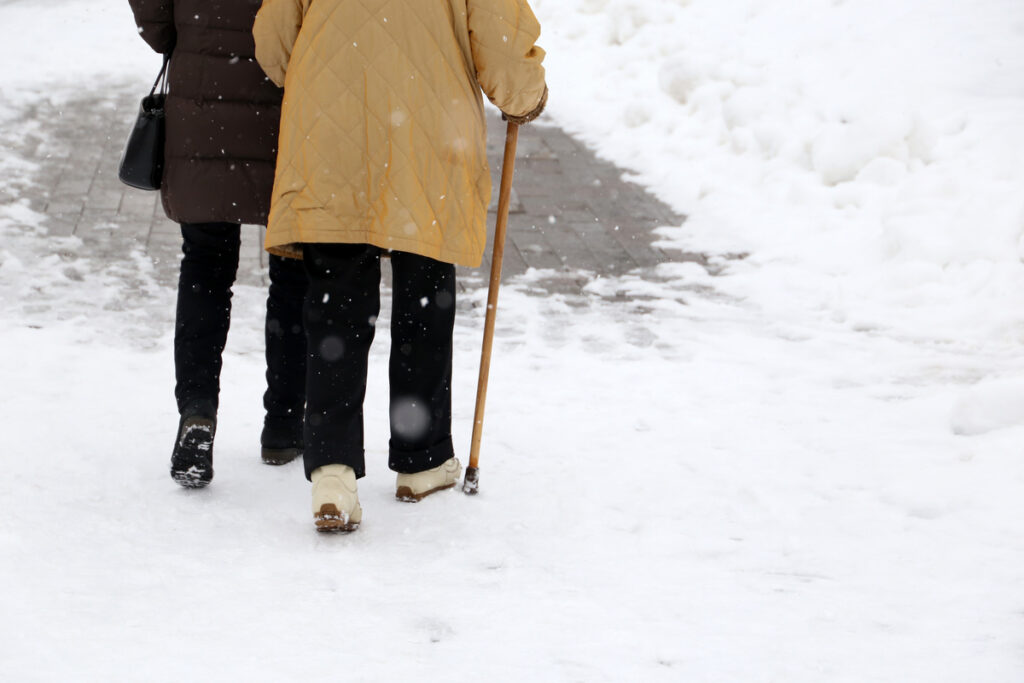
Every winter in Pennsylvania, icy walkways, wet entryways, and plunging temperatures quietly turn nursing homes into more dangerous places for residents. For elderly individuals whose balance, muscle strength, and bone density are already compromised, the added hazards of the winter season can make the difference between a slip and a life-altering fracture or traumatic brain injury. Families who trust these facilities to protect their loved ones deserve to know when that trust has been broken.
At Rubin, Glickman, Steinberg & Gifford, P.C., our nursing home abuse lawyers have spent over 65 years fighting for residents and families in Montgomery County, Bucks County, and the surrounding areas of southeastern Pennsylvania. Recognized as a Best Law Firm by U.S. News & World Report every year since 2010, we understand how serious a fall injury can be and what it takes to hold negligent facilities accountable.
Why Winter Creates Unique Fall Dangers in Nursing Homes
Winter does not stop at the front door of a care facility. Snow and ice tracked in by visitors, staff, and deliveries create wet, slippery floors throughout common areas, hallways, and entryways. Facilities that fail to place proper matting, post wet floor warnings, or dry high-traffic surfaces in a timely manner create conditions ripe for preventable accidents.
Beyond floor surfaces, reduced natural light during shorter winter days can make corridors and rooms harder to navigate for residents with poor vision or cognitive impairments. Vitamin D deficiency, which worsens during months with less sun exposure, is associated with decreased muscle function and increased fall risk. Residents who spend more time indoors during cold stretches often experience reduced activity levels, which can weaken the muscles they depend on to move safely through the facility.
Outdoor Hazards That Reach Indoor Residents
Even residents who never set foot outside are affected by winter weather conditions. Staff arriving for shifts, family visitors, and vendors all bring the outside world in with them. Ice, slush, and snow on footwear transfers directly onto facility floors. When nursing homes do not have adequate protocols for managing this foot traffic, every hallway becomes a potential hazard.
For residents who are taken outside for medical appointments, therapy sessions, or other activities, icy ramps, walkways, and parking surfaces pose direct and serious dangers. A facility’s duty of care extends to these transitional spaces, and negligence in maintaining them during the winter months can lead to catastrophic falls in nursing homes.
Staffing Shortages in Winter Can Worsen Fall Risks
Winter illness, severe weather, and staff callouts create unpredictable staffing gaps in nursing homes. When a facility operates below adequate staffing levels, residents who require assistance with walking, transferring from bed, or using the restroom may be left waiting or, worse, may attempt to move on their own. According to the CDC, falls are the leading cause of injury-related death among adults ages 65 and older, and the fall death rate increased by 21% between 2018 and 2024.
When a nursing home fails to maintain sufficient staffing during the winter months, it may be violating its duty of care to residents. Pennsylvania facilities are required to provide residents with appropriate supervision and assistance. A fall that occurs because a resident was left unattended or call lights went unanswered may reflect a pattern of understaffing that rises to the level of negligence.
The Consequences of a Winter Fall
The injuries that result from nursing home falls are often severe, particularly for elderly residents whose bones may be weakened by osteoporosis. Hip fractures are among the most common and devastating outcomes, frequently leading to surgical intervention, hospitalization, and a steep decline in overall health. Traumatic brain injuries from head impacts can alter a resident’s cognitive function permanently.
These injuries do not occur in isolation. A serious fall can trigger complications that lead to infections, prolonged immobility, and, in the worst cases, death. Families who lose a loved one following a fall in a nursing home may have grounds to pursue a wrongful death claim for elder abuse and should speak with an attorney as soon as possible.
What Nursing Homes Are Required to Do
Pennsylvania nursing homes are bound by state and federal regulations to maintain safe environments for their residents. This includes regular inspections of floors, walkways, and outdoor surfaces during winter conditions, as well as individualized fall-risk assessments for residents known to be at higher risk. Facilities must also ensure that staffing levels are sufficient to provide the level of supervision each resident requires.
When a nursing home ignores these obligations, it can be held legally responsible for the harm its negligence causes. Evidence such as incident reports, staffing records, maintenance logs, and camera footage can all help build a strong case. Families often do not realize how much documentation a facility maintains or how to access it. Our attorneys can help gather and interpret that evidence on your behalf.
The nursing home falls lawyer you choose should have a thorough understanding of the regulations governing long-term care facilities in Pennsylvania and a record of standing up to facilities and their insurers.
Reach Out to Rubin, Glickman, Steinberg & Gifford, P.C.About Your Nursing Home Fall Case
When a loved one suffers a serious fall in a nursing home, the path forward can feel overwhelming. Our attorneys at Rubin, Glickman, Steinberg & Gifford, P.C. are committed to providing knowledgeable, compassionate representation to families throughout Montgomery County, Bucks County, and southeastern Pennsylvania. With an AV rating from Martindale-Hubbell and a reputation built on decades of dedicated advocacy, we are prepared to fight for the accountability your family deserves.
Do not wait to seek guidance. If you believe a nursing home’s failure to address winter weather hazards contributed to a fall or injury, contact us today to discuss your situation and understand your legal options.

Rubin, Glickman, Steinberg & Gifford P.C.
Pennsylvania Attorney's
April 29, 2026