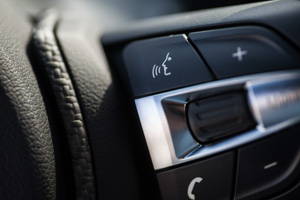
As technology continues to evolve, so do the ways in which we interact with our devices while driving. Hands-free devices have gained popularity as a seemingly safer alternative to using a phone when behind the wheel. However, many drivers are unaware of the potential impact these devices can have on their car accident claims.
At Rubin, Glickman, Steinberg & Gifford, P.C., we understand the complexity of car accident cases and how hands-free devices can affect liability. If you have been involved in a car accident in Pennsylvania, it is crucial to understand the role hands-free devices may play in your claim and how working with a knowledgeable lawyer can make all the difference. In this article, we’ll explore the complexities of hands-free devices and their impact on car accident claims in Pennsylvania.
Pennsylvania Laws on Hands-Free Devices & Distracted Driving
Before diving into the specifics of how hands-free devices impact car accident claims, it’s essential to understand Pennsylvania’s distracted driving laws. According to Pennsylvania’s Motor Vehicle Code, distracted driving is defined as any activity that diverts a driver’s attention from the task of driving. This can include texting, eating, grooming, adjusting the radio, or using GPS.
As of June 5, 2025, Pennsylvania’s Paul Miller’s Law (Act 18 of 2024) requires hands-free operation: drivers may no longer hold or manually use a phone or other interactive mobile device while driving, even while stopped at a light or in traffic. Hands-free technology—voice commands, a mounted GPS, or Bluetooth calling—remains permitted. Violations became a $50 summary offense (plus court costs) starting June 5, 2026, after a one-year warnings-only grace period. However, this does not mean that using a hands-free device while driving is risk-free. In fact, drivers who use hands-free devices may still face legal challenges if they are involved in an accident.
How Insurance Companies and Lawyers Can Claim Distracted Driving with Hands-Free Devices
Even when using a hands-free device, drivers can still experience cognitive distraction. Cognitive distraction occurs when a driver’s mental focus is diverted from the road, even if their eyes remain on the road and hands on the wheel.
Research has shown that engaging in a conversation, whether through a hands-free device or with a passenger, can impair a driver’s ability to process and react to their surroundings. This cognitive distraction can be used as evidence to support a claim of distracted driving. To prove distracted driving in court, they may present evidence such as:
Examining the Driver’s Phone Records
A key piece of evidence that insurance companies and lawyers may use to prove distracted driving is the driver’s phone records. These records can show whether a call was made or received through the hands-free device during the accident. If it is proven that the driver was engaged in a conversation while the accident occurred, this evidence can significantly strengthen the case for distracted driving.
Collecting Testimonies From Witnesses
Witness testimonies can provide valuable insights into the driver’s behavior before and during the accident. If witnesses observed the driver using a hands-free device or exhibiting behavior consistent with distraction, their statements could be used as evidence to support the claim of distracted driving. Witness accounts may also describe the driver’s demeanor, any erratic driving patterns, or other observations that could indicate distraction.
Utilizing Expert Testimony From Accident Reconstruction Specialists
Accident reconstruction specialists are often called upon to analyze crash scenes and determine the likely cause of the accident. By examining factors such as the positioning of the vehicles, skid marks, and debris, these experts can help to establish whether the driver was likely distracted at the time of the crash. Their testimony can be a powerful tool in demonstrating that the use of a hands-free device contributed to the accident.
Analyzing Dashcam Footage
Dashcam footage can be a crucial piece of evidence in proving distracted driving, as it may capture the driver using the hands-free device during the crash. This footage can clearly represent the driver’s actions and the circumstances leading up to the accident. By reviewing the footage, insurance companies and lawyers can gather additional information on the driver’s behavior, possibly supporting their claim of distracted driving.
Reviewing Data From the Vehicle’s Black Box
Modern vehicles are equipped with a “black box”, or event data recorder (EDR), which captures various data points during a vehicle’s operation. This data can include information about the vehicle’s speed, acceleration, and braking at the time of the crash. By examining this data, insurance companies and lawyers can gain insights into the driver’s actions leading up to the accident. If the data suggests erratic driving behavior or inconsistencies with the driver’s account of the events, it may be used to support the claim of distracted driving due to hands-free device usage.
The Importance of Working With a Skilled Lawyer in a Hands-Free Device Car Accident Claim
If you’ve been involved in a car accident involving a hands-free device, you may feel overwhelmed and uncertain of where to turn. The good news is that knowledgeable lawyers specialize in this type of case and can help you get the compensation you deserve. Here are a few reasons why it’s vital to work with a reliable lawyer in a hands-free device car accident claim:
Uncovering Critical Evidence
When you’re involved in a car accident in Pennsylvania, having a skilled lawyer on your side is crucial. Your lawyer will work tirelessly to uncover critical evidence that supports your claim and defends you against allegations of distracted driving. This evidence may include surveillance footage, witness testimonies, and expert opinions.
Countering Claims of Distracted Driving
If an insurance company or opposing lawyer tries to argue that you were distracted by a hands-free device, your lawyer will be well-equipped to counter these claims. We will work to demonstrate that you were using the hands-free device responsibly and that it did not contribute to the accident.
Comparative Negligence in Pennsylvania
Pennsylvania follows a modified comparative negligence system, which means that if you are found partially at fault for the accident, your compensation may be reduced by your percentage of fault. For example, if you are found to be 30% at fault for the accident, your compensation will be reduced by 30%. If an insurance company or opposing lawyer can successfully argue that your use of a hands-free device contributed to the accident, your compensation may be significantly impacted. Your lawyer will work to minimize your percentage of fault and ensure you receive the compensation you deserve.
Recent Changes to Pennsylvania’s Hands-Free Device Laws
Pennsylvania has since enacted stricter distracted driving legislation. Paul Miller’s Law, effective June 5, 2025, moved Pennsylvania from a texting-only ban to a comprehensive handheld device ban, joining most other states that already required hands-free operation. Working with a lawyer who stays up-to-date on the latest legal developments remains crucial, as enforcement of the new law continues to evolve.
Frequently Asked Questions
Is it now illegal to hold my phone while driving in Pennsylvania?
Yes. Under Paul Miller’s Law, effective June 5, 2025, drivers cannot hold or manually operate a phone or other interactive mobile device while driving, even briefly at a stoplight. Hands-free use, such as voice commands or Bluetooth calling, is still allowed.
Can a hands-free device still be used against me after a crash?
Yes. Even though hands-free use is legal, insurers and opposing attorneys can argue that a hands-free conversation caused cognitive distraction, using phone records, witness statements, dashcam footage, or event data recorder data to support the claim.
How does comparative negligence affect my compensation in Pennsylvania?
Pennsylvania follows modified comparative negligence, so if you’re found partially at fault—for example, 30%—your compensation is reduced by that percentage. If distracted driving allegations increase your assigned fault, it directly reduces what you can recover.
What evidence can prove I wasn’t distracted at the time of the crash?
Phone records showing no active call, witness testimony, dashcam footage, and accident reconstruction analysis can all help establish that a hands-free device wasn’t a factor in the collision.
Why do I need a lawyer if I was only using a hands-free device?
Insurance companies look for any argument to reduce your payout, and a hands-free device is an easy target even when it didn’t contribute to the crash. A lawyer can gather evidence to counter distraction claims and protect your full compensation.
Protect Your Rights After an Auto Accident with Rubin, Glickman, Steinberg & Gifford, P.C.
While hands-free devices may seem like a safer alternative to using a phone while driving, their use can still have a significant impact on a car accident claim in Pennsylvania. Insurance companies and opposing lawyers can argue that using a hands-free device contributed to the accident, potentially reducing your compensation or even leading to a denied claim.
To protect your rights and work toward the best possible outcome, it is critical to work with a highly-qualified lawyer who can counter these claims and help you navigate the complexities of Pennsylvania’s distracted driving laws. At Rubin, Glickman, Steinberg & Gifford, P.C., we have extensive experience with car accident claims, including those in which a hands-free device is blamed as negligence. If you have been involved in a car accident and believe your use of a hands-free device may impact your claim, don’t hesitate to contact us online today or call us at (215) 822-7575 to schedule a no-obligation consultation.

Rubin, Glickman, Steinberg & Gifford P.C.
Pennsylvania Attorney's
August 25, 2026